From May 30 to June 2, the series of activities of the 9th Chengdu International Intangible Cultural Heritage Festival were enthusiastically held in Jianyang, Qingbaijiang and other places, with wonderful intangible cultural heritage feasts taking place one after another. International students from the College of Chinese & ASEAN Arts (CCAA) deeply participated in diverse and active ways, injecting youthful vitality into the inheritance and promotion of intangible cultural heritage, and became a beautiful highlight at the event sites.
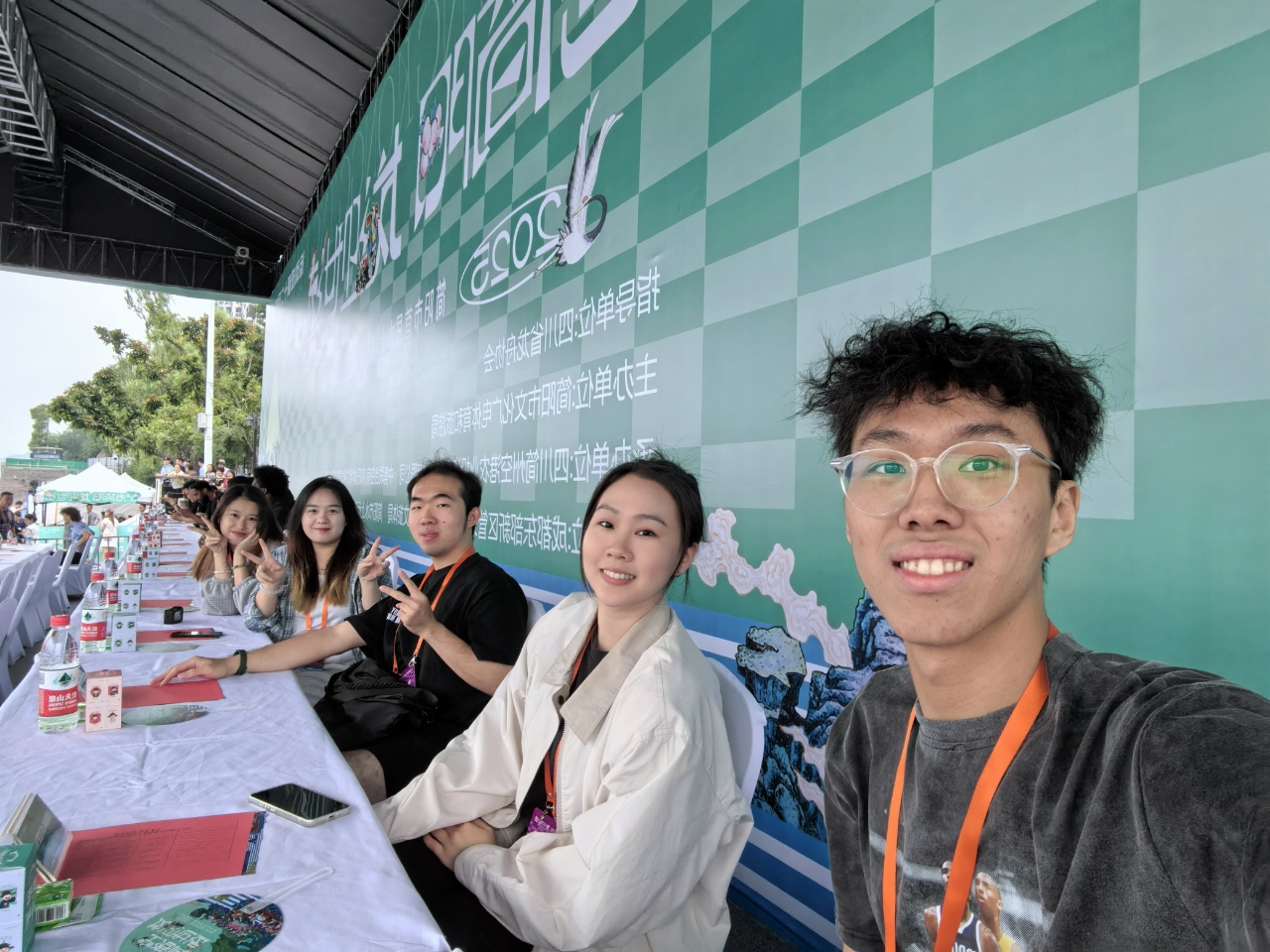
International Students Race on Tuo River, Breathing New Life into Millennia-Old Dragon Boat Tradition
On the morning of May 30, the "Skyport Jianyang · Dragons Meet the World Games" 2025 Jianyang Inaugural Water Sports Festival & 4th Dragon Boat Race kicked off with great excitement along the Tuo River, amid thunderous drums and a jubilant crowd.
Five students from Vietnam and Malaysia at the College of Chinese & ASEAN Arts (CCAA) immersed themselves in the festivities—exploring vendor stalls, savoring local delicacies, selecting handicrafts, and experiencing the unique charm of this centuries-old tradition. Through their active participation, they added a distinctive international flair to the event.
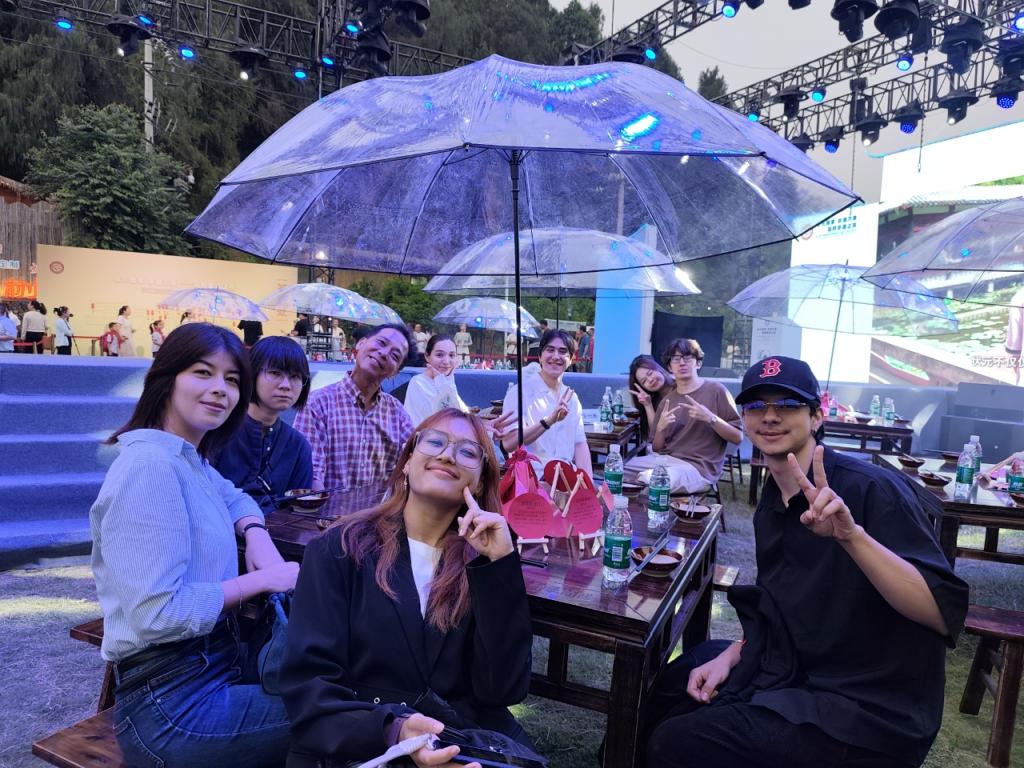
Nine-Bowl Feast Fragrance at the Zhuangyuan Banquet: Decoding Intangible Cultural Heritage Through Youthful Perspectives
That afternoon, the "Zhuangyuan Elegant Banquet · Myriad Forms of Intangible Heritage" cultural exchange event at the Jianyang sub-venue of the 9th International Intangible Cultural Heritage Festival grandly commenced in Shizhong Town's Qianfeng Village. Four international students from Russia, Colombia, Nepal and other countries transformed into cultural ambassadors, deeply immersing themselves in this ICH feast.They explored the legendary spirit of Zhuangyuan scholars through banquet displays, experienced the municipal-level intangible cultural heritage "Nine-Bowl" rural banquet tradition from Tashui Town, and actively shared their observations with family and friends. Their participation built bridges for cross-cultural exchange, enabling more people to appreciate the profound depth of China's intangible cultural heritage.
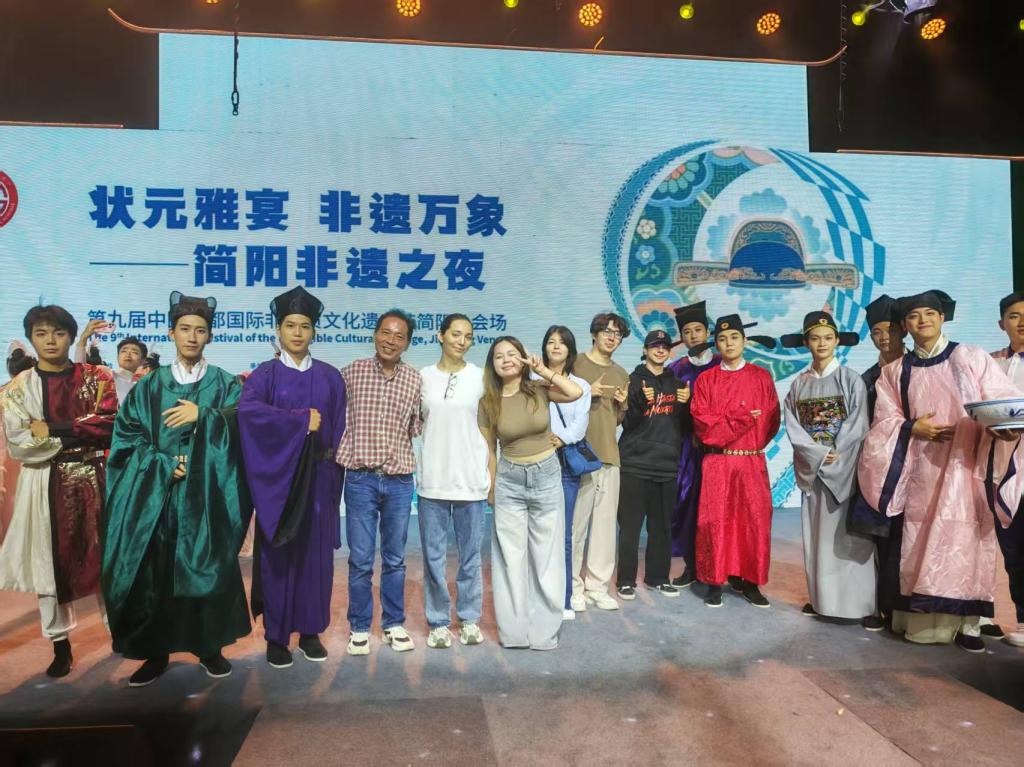
Ancient Silk Road Town Showcases Intangible Heritage as International Volunteers Bridge Cultures
From May 31 to June 2, the Qingbaijiang sub-venue activities of the 9th Chengdu International Intangible Cultural Heritage Festival commenced in Chengxiang Ancient Town. Centered on the theme "Intangible Heritage Gathers in Chengxiang · Silk Road Connects the World," the event highlighted local cultural elements of "Ancient Shu Charm · Silk Road Sentiment · International Style" through a series of activities including heritage parades, cultural markets, and interactive experiences, offering visitors an extraordinary feast of intangible cultural heritage.
Thirty international students wholeheartedly participated as volunteers. During the heritage parade, dressed in traditional costumes, they joined the procession to showcase their respective national cultures while engaging with Chinese intangible heritage. At the cultural market, they enthusiastically introduced various heritage products to visitors, helping more people understand and appreciate these traditions. Their dedication and professionalism earned unanimous praise from organizers and attendees alike, contributing to Chengdu's local-global development.
That same period, the "Zhuangyuan Elegant Banquet · Myriad Forms of Intangible Heritage" cultural exchange event—part of the festival's Jianyang sub-venue—launched in Shizhong Town's Qianfeng Village. Four international students from Russia, Colombia, Nepal, and other countries immersed themselves as cultural ambassadors. They explored the scholarly spirit of Zhuangyuan traditions through banquet displays, experienced Tashui Town's municipal-level intangible heritage "Nine-Bowl" rural banquet, and actively shared their insights with peers, building cross-cultural bridges that reveal the profundity of China's living heritage.
The International Department of College of Chinese & ASEAN Arts (CCAA) remains committed to deepening people-to-people exchanges through initiatives like the "Rong Heritage Youth Transmission" program, which creates an innovative platform for heritage safeguarding and global communication. By guiding youth to decode heritage through contemporary lenses, the program reveals the aesthetic wisdom and life philosophy embedded in traditional crafts.
Through dragon boat racing, heritage night activities, and volunteer service, international students have not only deeply engaged with Chinese culture but also become ambassadors for its global dissemination. Moving forward, CCAA will leverage its strengths through the "Cultural Envoys" training initiative, empowering students to recreate heritage stories via multilingual digital media and overseas advocacy, revitalizing traditions in modern contexts. This end-to-end "experience-deconstruct-recreate-disseminate" educational model continues to inspire international students in championing cultural heritage, fostering mutual learning among civilizations.