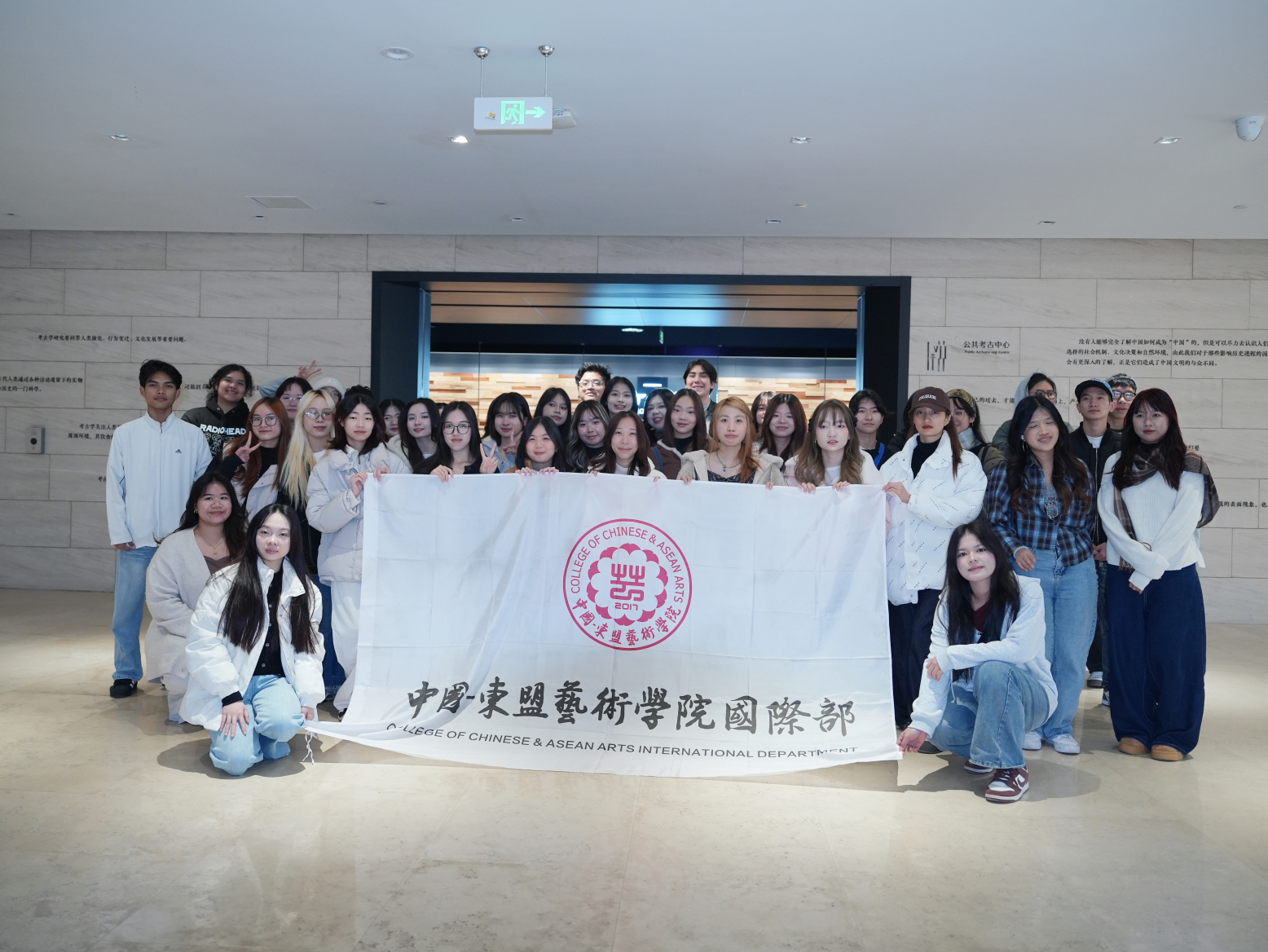
On November 25, International Department of College of Chinese & ASEAN Arts organized more than 40 international students to visit Chengdu Archaeology Center (Chengdu Municipal Institute of Cultural Relics and Archaeology), kicking off an immersive cultural learning tour. As an important part of the "Travelling in Chengdu" brand student activity, this event focused on Chengdu's local history and archaeological practices, guiding international students to understand the cultural genes of the city through the details of cultural relics.
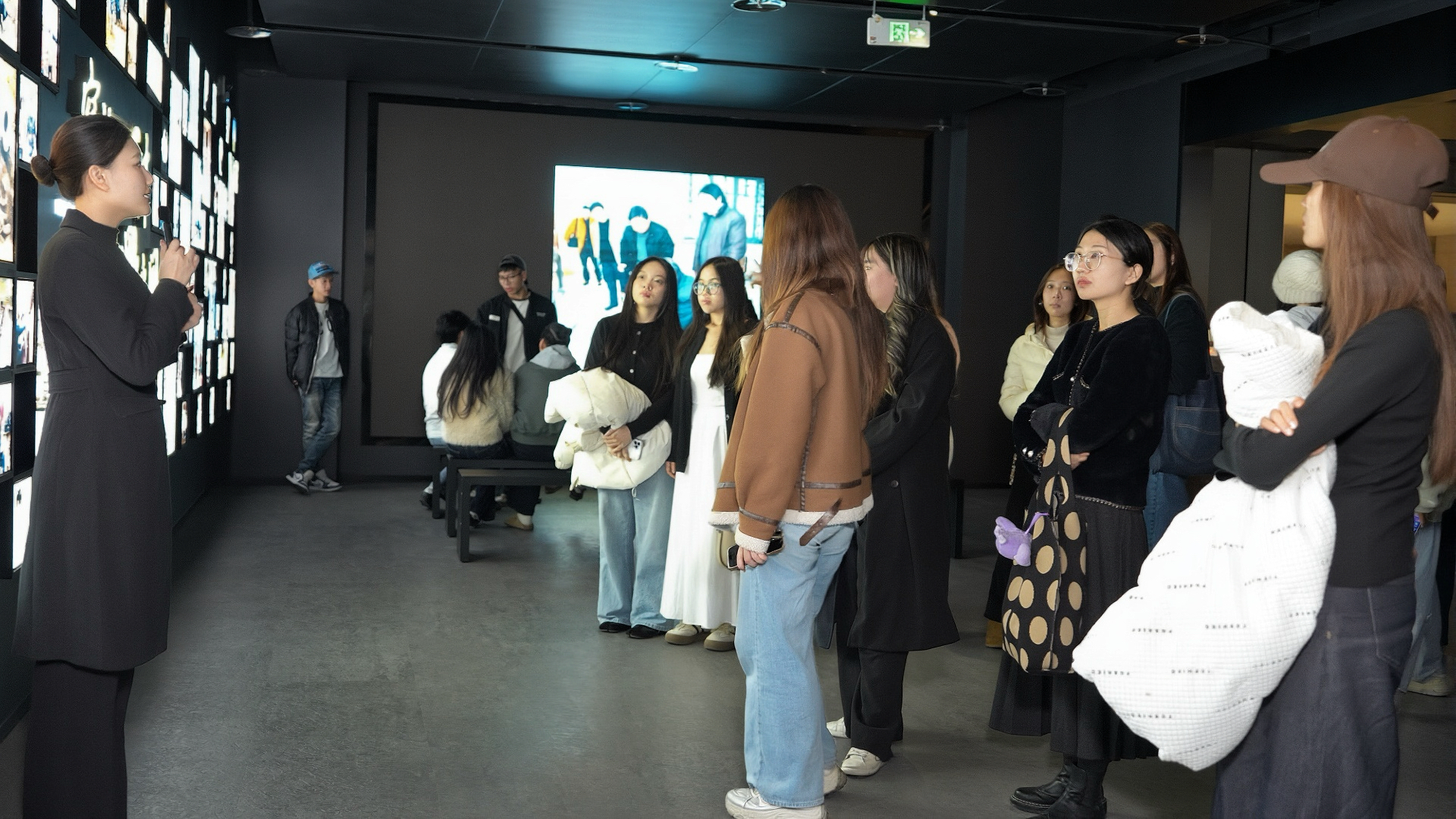
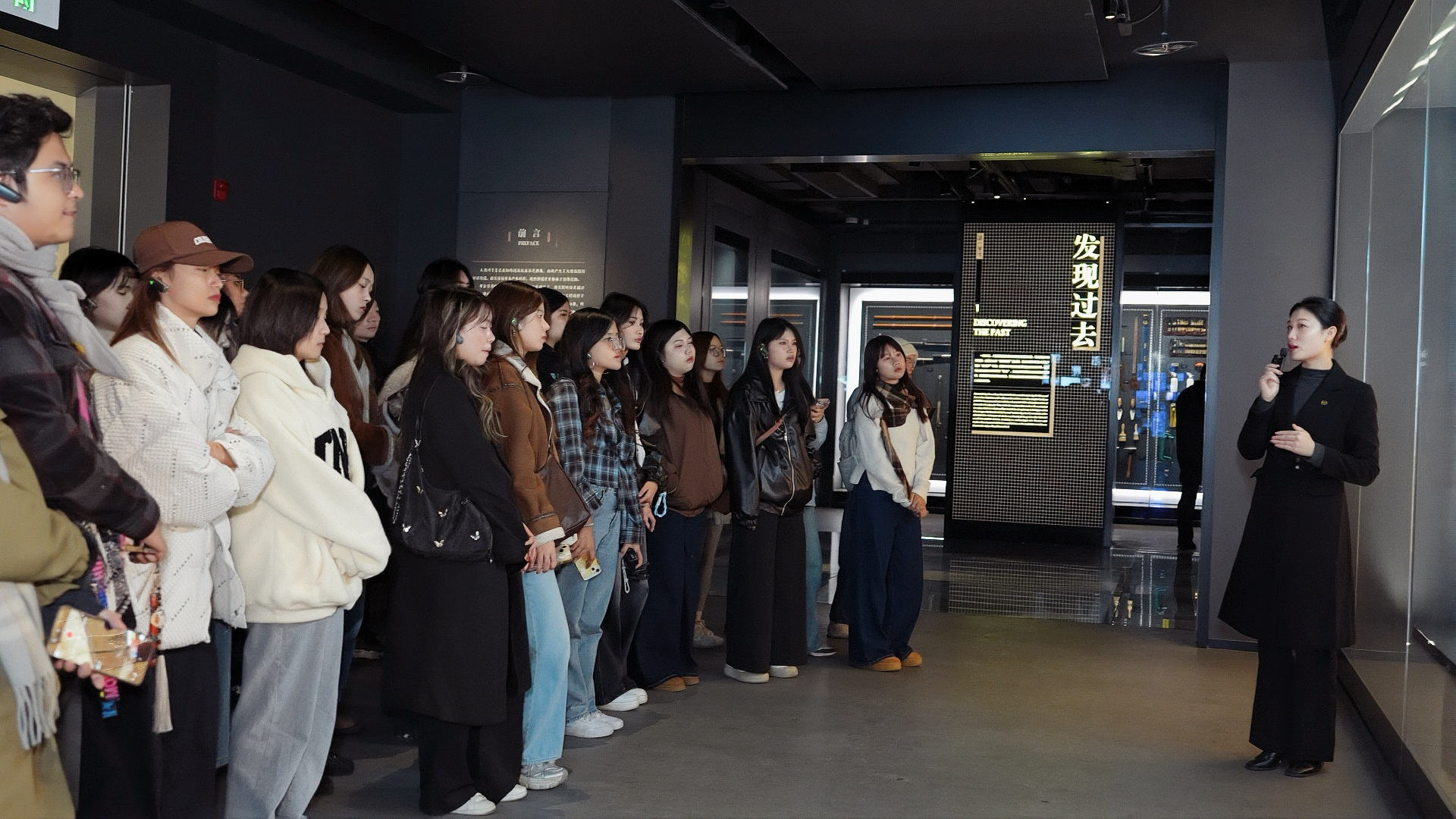
Chengdu Archaeology Center outlines the thousands of years of historical changes in Chengdu and displays the long-standing and splendid ancient Shu civilization through its permanent exhibition Archaeology · Chengdu. The exhibition is divided into two units: "Discovering the Past" and "Interpreting the Past". Led by professional commentators, the students visited the permanent exhibition area, temporary exhibition area, cultural and creative space and other exhibition sections in sequence, and observed up close precious cultural relics such as the replica of the Sun Bird gold ornament unearthed from the Jinsha Site, the models of Sanxingdui bronze artifacts, and the stone relief bricks of the Han Dynasty. Each artifact, carrying the codes of thousands of years of civilization, not only demonstrates the outstanding craftsmanship wisdom and spiritual beliefs of the ancient Shu ancestors, but also reflects the development pattern of Chinese civilization characterized by diversity in unity and inclusiveness.
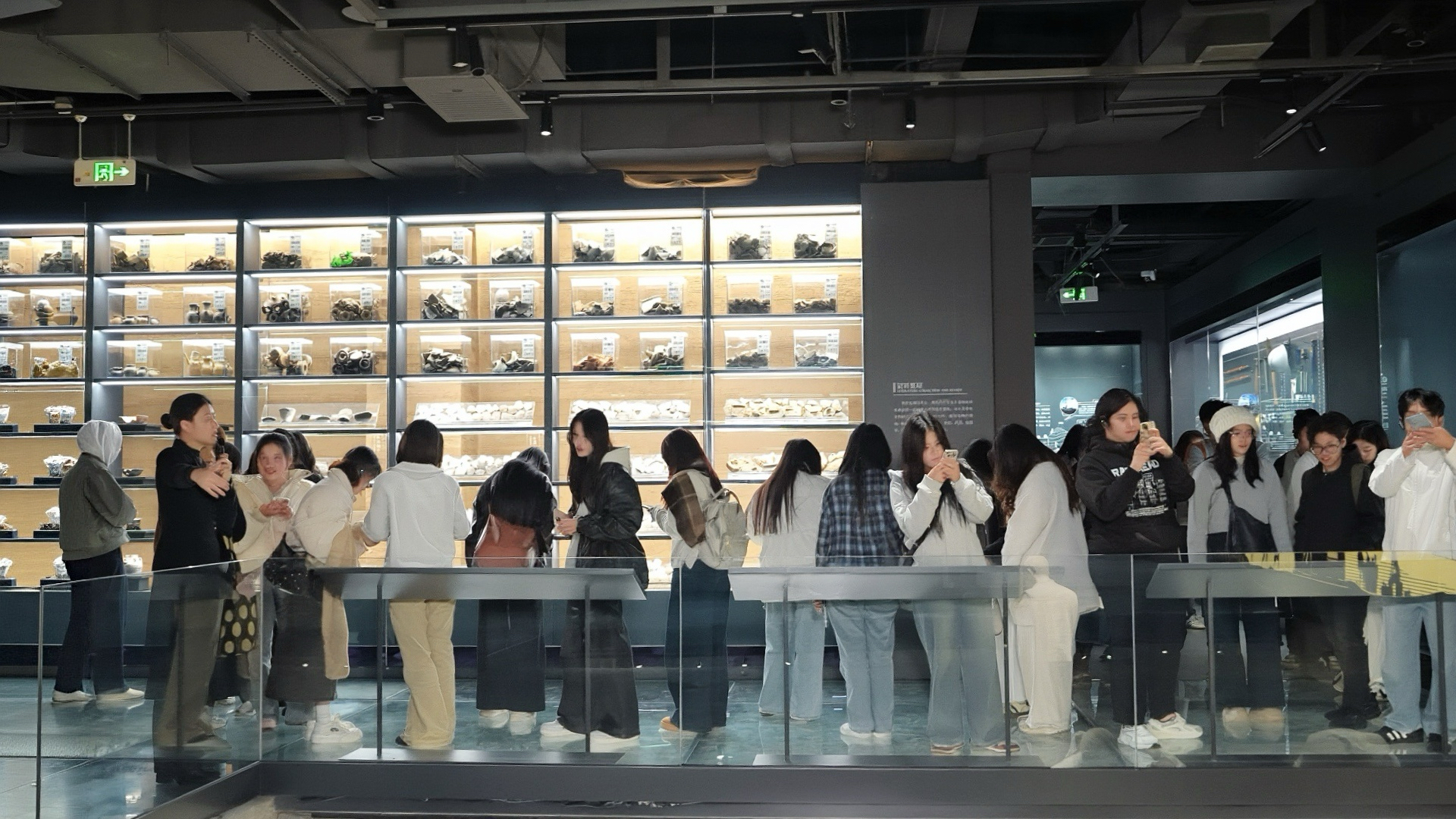
Different from ordinary museums, Chengdu Archaeology Center also focuses on archaeological work itself, answering the public’s questions such as "What is archaeology?", "What does archaeology do?" and "Why do we conduct archaeology?". The center has set aside an entire wall in the exhibition hall to display the whole process of pottery shards from excavation and restoration to exhibition. Freshly unearthed pottery shards are restored into complete pieces of pottery after undergoing processes such as cleaning, classification, selection, matching, gypsum patching, and coloring. Here, the "road to rebirth" of cultural relics is clear at a glance.
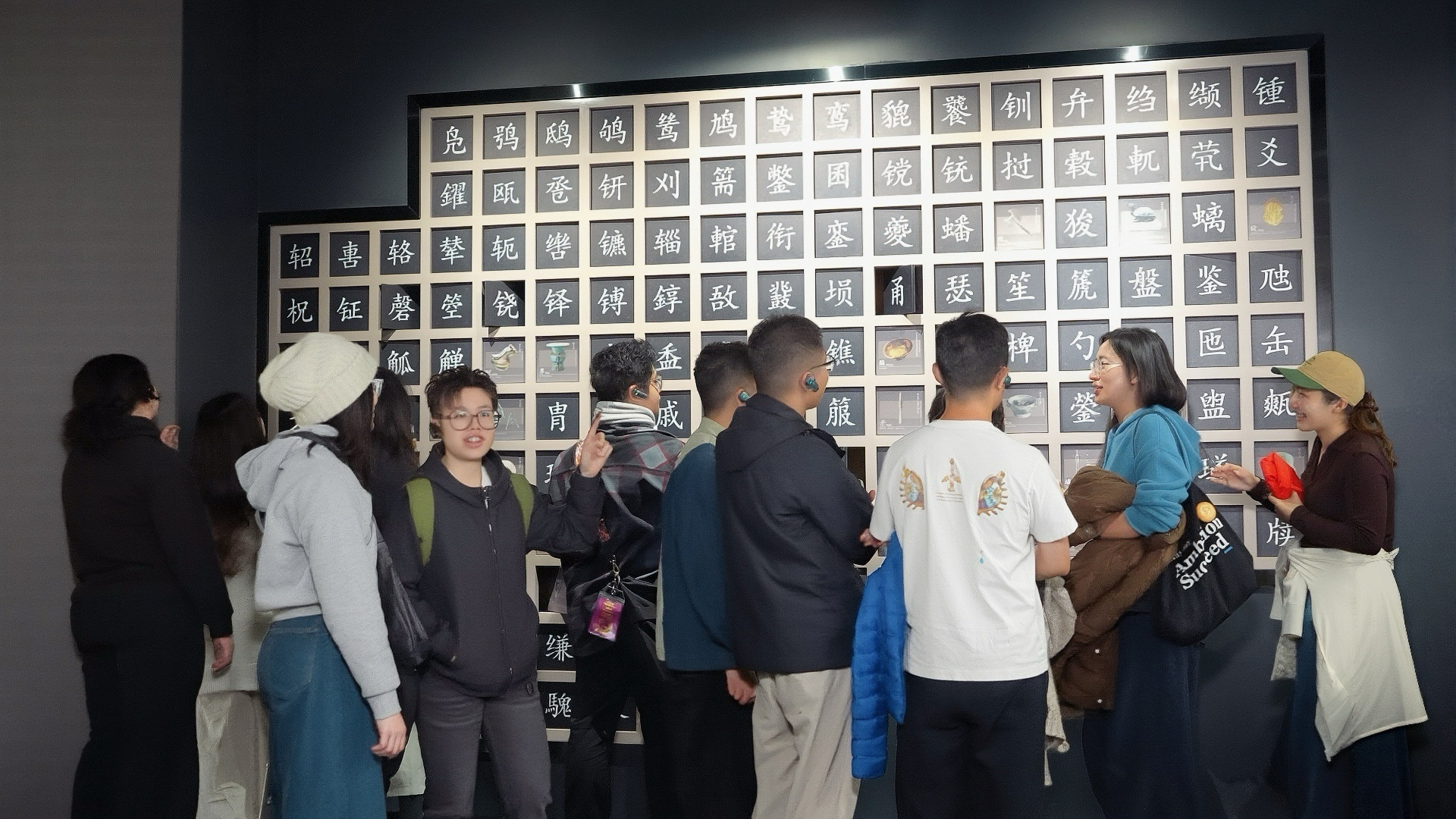
The international students came to a special interactive exhibition area — the "Cultural Relic Character Recognition Wall". This wall features 168 rare archaic characters encountered in archaeology. Each character is accompanied by a picture and a concise explanation, allowing the students to learn the stories and meanings behind the cultural relics while appreciating them. "We have never seen these characters before!" The international students flipped through the characters to guess their pronunciations and took photos of the explanations with their mobile phones. This exhibition area not only made the international students feel the wisdom of the combination of form and meaning in Chinese characters, but also made them realize that understanding a single character can sometimes be the key to unlocking a period of history.
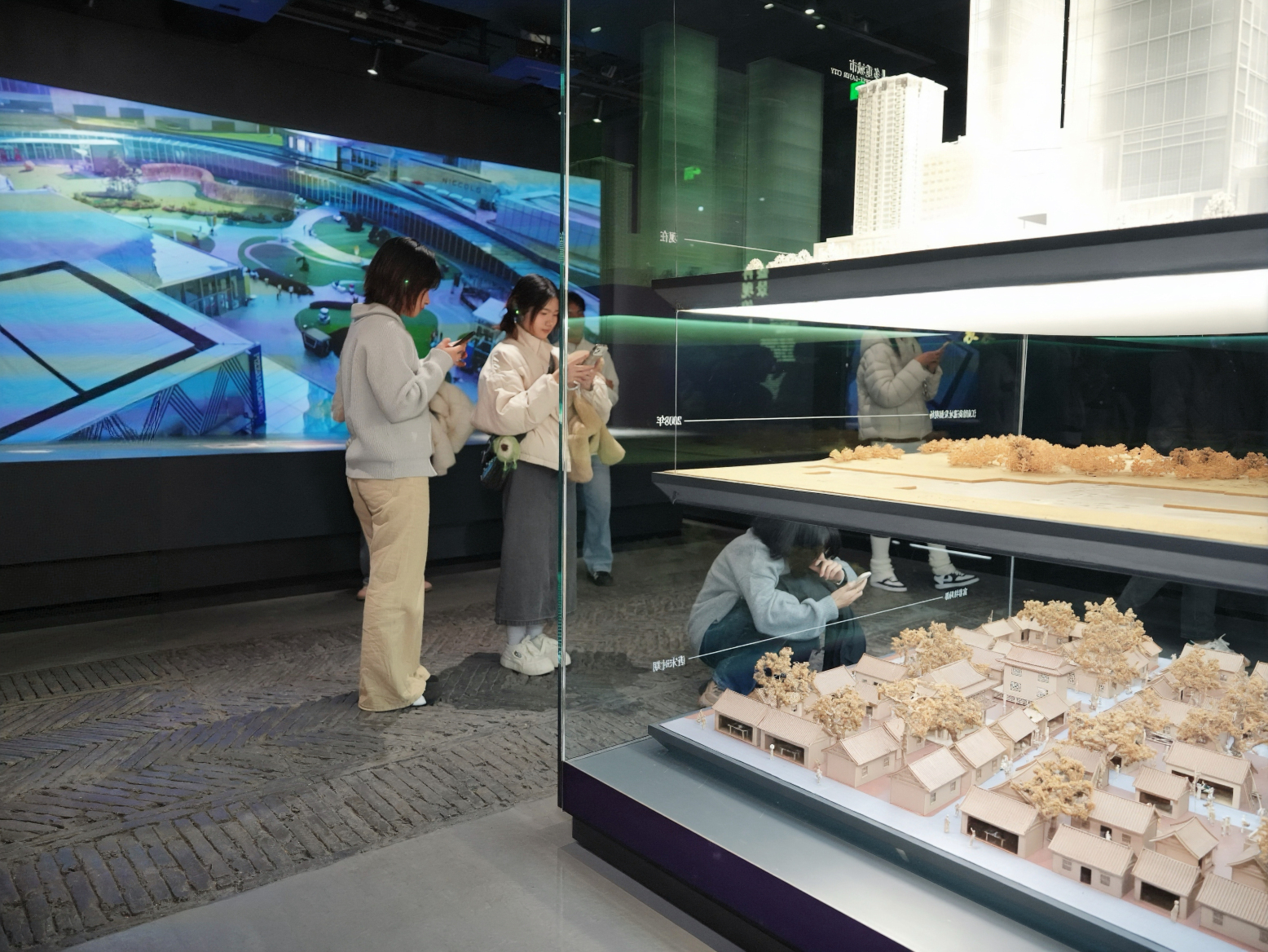
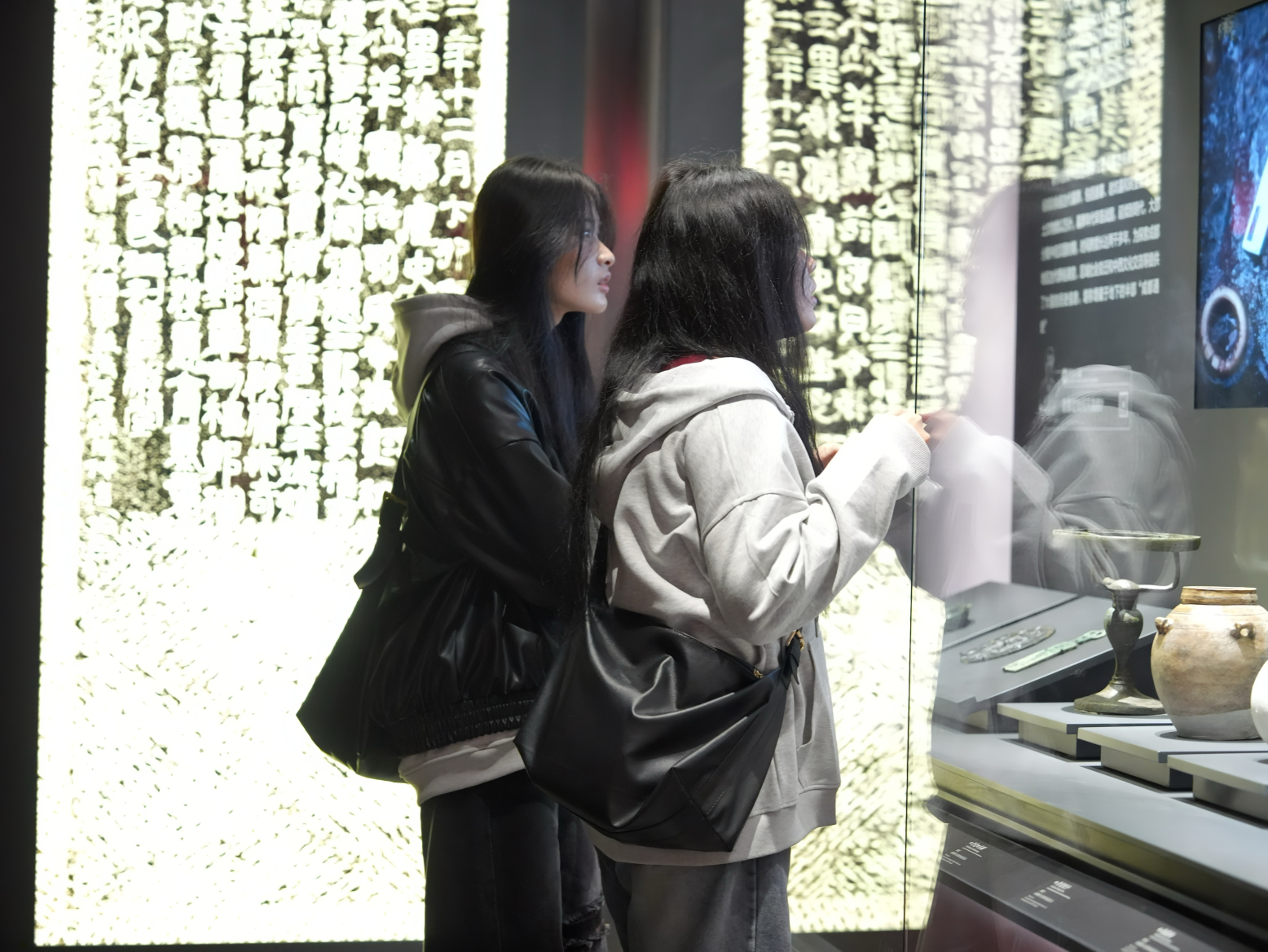
In the "Century of Archaeology" exhibition area, visitors can trace the Ancient Shu civilization through a continuum of sites including the Baodun Site, Jinsha Site, and the Commercial Street Boat-Coffin Joint Burial Tombs. It also showcases the glorious chapter of the Qin and Han dynasties represented by the Laoguanshan Cemetery, Xinchuan Science and Technology Park Cemetery Group, and Gushishan Site, as well as the prosperous scenes of the ancient city of Jincheng recreated through sites like the Jiangnanguanjie Site on Lower Tongren Road and the Donghuamen Site. All these seem to tell international students through archaeology the story of how Chengdu came into being. In the unit "Tracing the Origin and Development of Ancient Shu Culture", students used a concise comparison table of the development of Ancient Shu culture to clarify the differences and connections between Chinese and foreign cultures, as well as between the Central Plains culture and Ancient Shu culture, gaining a detailed understanding of the 2,000-year development context of Ancient Shu civilization.
Through this down-to-earth cultural tour, international students not only stepped into the Chengdu of history but also drew closer to a real, profound, and vibrant China. Adhering to the philosophy of "educating people through culture and promoting integration through culture", the "Rong You Ji" brand student activity organically integrates urban history, intangible cultural heritage inheritance, and modern development into the national conditions education system for international students. This visit to the archaeology center is a vivid practice of the brand's efforts to deepen the "mobile classroom" teaching model.
It is an important mission of College of Chinese & ASEAN Arts to cultivate high-end talents with a global vision, Chinese sentiment, and artistic accomplishment for countries along the "Belt and Road" Initiative. In the future, International Department will continue to rely on Chengdu's rich historical and cultural resources to promote the upgrading of national conditions education from "knowledge imparting" to "value guidance". It will enable international students to become disseminators of excellent traditional Chinese culture and promoters of exchanges and mutual learning between Chinese and foreign civilizations in the process of perceiving a real, multi-dimensional, and comprehensive China.